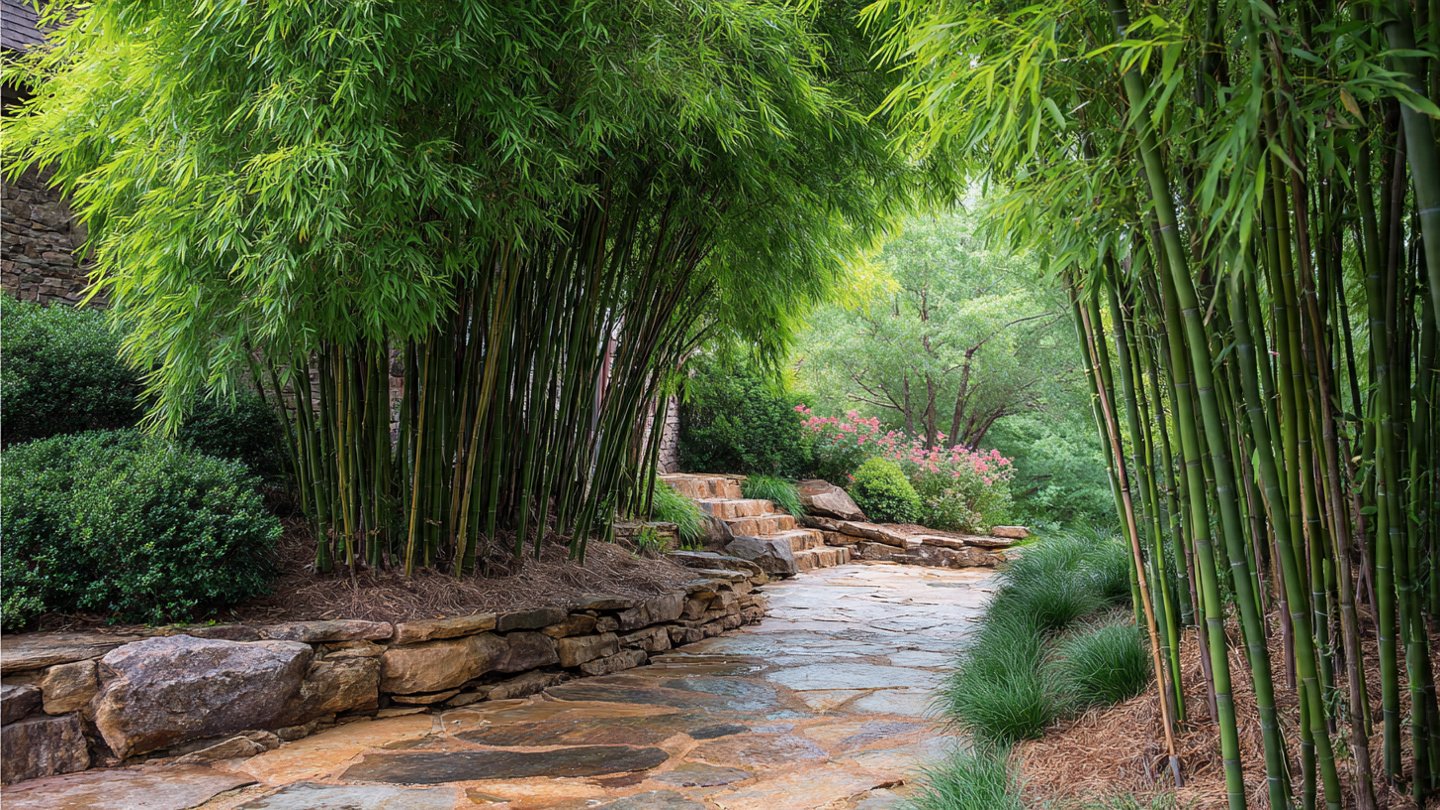
Black bamboo (Phyllostachys nigra) is a striking plant that can add drama and elegance to any landscape. Characterized by its unique dark-colored canes and graceful foliage, it not only serves as a beautiful focal point but also offers privacy and noise reduction. If you’re considering incorporating black bamboo into your garden, this comprehensive guide will provide you with essential tips and techniques for successful cultivation.
Understanding Black Bamboo
Characteristics
Black bamboo is a type of grass that can grow up to 30 feet tall, with culms (stems) that can reach a diameter of 1-2 inches. The distinctive color of the bamboo changes from green to a striking black as it matures, typically reaching its full color after about three years. The foliage is lush and green, providing a beautiful contrast against the dark canes.
Growth Habit
Black bamboo can be classified into two types based on growth habits: running and clumping. While the majority of black bamboo cultivars exhibit a running growth pattern, they can be effectively managed with proper techniques.
Hardiness Zones
Black bamboo thrives in USDA hardiness zones 7-10. It requires a temperate climate to flourish but can tolerate some cold. Knowing your local climate and choosing the right species is crucial for success.
Site Selection and Preparation
Choosing the Right Location
Black bamboo needs a sunny location to thrive. Aim for a spot that receives at least 6 hours of direct sunlight each day. However, it can also adapt to partial shade. Avoid areas prone to waterlogging or heavy winds.
Soil Requirements
Well-drained, fertile soil is ideal for black bamboo. A slightly acidic to neutral pH (between 6 and 7) is optimal. Before planting, test your soil’s pH and amend it with organic matter if necessary. Compost or well-rotted manure can enhance soil fertility and improve drainage.
Managing Space
Since black bamboo can spread quickly, plan accordingly. If you want to create a hedge or screen, plant them closer together. For a dramatic standalone feature, provide adequate spacing to allow for their natural height and growth.
Planting Black Bamboo
When to Plant
The best time to plant black bamboo is in the spring or early fall when temperatures are moderate. This timing allows the plant to establish a robust root system before facing the stress of summer heat or winter chill.
Planting Technique
-
Dig the Hole: Dig a hole that is twice as wide and the same depth as the root ball of your bamboo plant.
-
Add Organic Matter: Mix compost or organic matter with the native soil to improve nutrient content.
-
Place the Plant: Remove the black bamboo from its pot and gently loosen any entangled roots. Position the plant in the center of the hole, ensuring that it’s at the same soil level as it was in the pot.
-
Backfill: Fill the hole with soil mixture, firming it gently around the roots. Water thoroughly to eliminate air pockets.
-
Mulching: Apply a layer of mulch around the base to retain moisture and suppress weeds.
Watering and Fertilizing
Water Requirements
Initially, water your black bamboo regularly until it’s established, which usually takes about 1-2 years. Once established, black bamboo prefers consistent moisture but can tolerate some drought. A good rule of thumb is to water deeply once a week during dry spells.
Fertilization
To encourage robust growth and vibrant foliage, fertilize in early spring before new growth emerges. Use a balanced, slow-release fertilizer, or an organic option like well-rotted manure or compost, to provide essential nutrients throughout the growing season.
Managing Growth
Containment Methods
Given that black bamboo is a running species, it can spread aggressively. To prevent unwanted spread:
-
Rhizome Barriers: Install barriers made of plastic, metal, or concrete around the plant to control its growth. These should be at least 2-3 feet deep and allow for some space above ground.
-
Regular Trimming: Regularly trim any vigorous shoots that appear outside your desired area.
Pruning
Pruning is essential for maintaining the health and appearance of black bamboo. In early spring, remove any dead or damaged canes to promote new growth. Regularly thin out older culms to encourage air circulation and sunlight penetration.
Protecting From Pests and Diseases
Black bamboo is relatively pest-resistant. However, it can be susceptible to pests like aphids, spider mites, and bamboo borers. Regular monitoring and early intervention are key to managing these issues.
For diseases, root rot can become problematic in overly wet conditions. To prevent this, ensure proper drainage and avoid overwatering. If you notice signs of distress, such as yellowing leaves or stunted growth, investigate the roots.
Seasonal Care
Spring
- Replace any lost mulch to conserve moisture and suppress weeds.
- Fertilize with a balanced formula as new growth appears.
- Water deeply and regularly as temperatures begin to rise.
Summer
- Monitor for pests and diseases; act quickly if issues arise.
- Water consistently during periods of heat.
- Adjust mulch to maintain moisture levels.
Fall
- Continue watering until the first frost.
- Trim back any dead foliage or canes to prepare for winter.
- Consider adding a layer of mulch for winter protection.
Winter
- In colder areas, protect young plants with burlap or frost cloth.
- Avoid watering during dormancy unless there’s prolonged dry weather.
Unique Uses and Design Ideas
Black bamboo can be creatively integrated into various landscape designs. Here are some ideas to consider:
Privacy Screens
Given its height and dense foliage, black bamboo makes an excellent natural privacy barrier. Plant in rows to create an effective screen that adds beauty and tranquility to your outdoor space.
Focal Points
Use black bamboo as a striking focal point by placing it amidst colorful flowering plants or low shrubs to juxtapose its dark color against lighter hues.
Garden Borders
Create dramatic garden borders by using black bamboo along pathways or around patios to provide a sense of enclosure while remaining visually appealing.
Zen Gardens
Incorporate black bamboo into Zen gardens or minimalist designs. Its elegant form and color can provide a beautiful contrast against rocks, gravel, and soft greenery.
Conclusion
Growing black bamboo can be a rewarding endeavor, adding beauty and sophistication to your landscape. By understanding its characteristics and requirements, preparing the right environment, and employing effective growth management techniques, you can cultivate a thriving bamboo oasis. With the right care, black bamboo can transform your garden into a dramatic and serene retreat for years to come. Whether used as a striking focal point or a natural privacy screen, this magnificent plant will undoubtedly draw admiration and enhance the overall aesthetic of your outdoor space.
Embrace the elegance of black bamboo in your garden today, and watch it elevate your landscape to new heights.