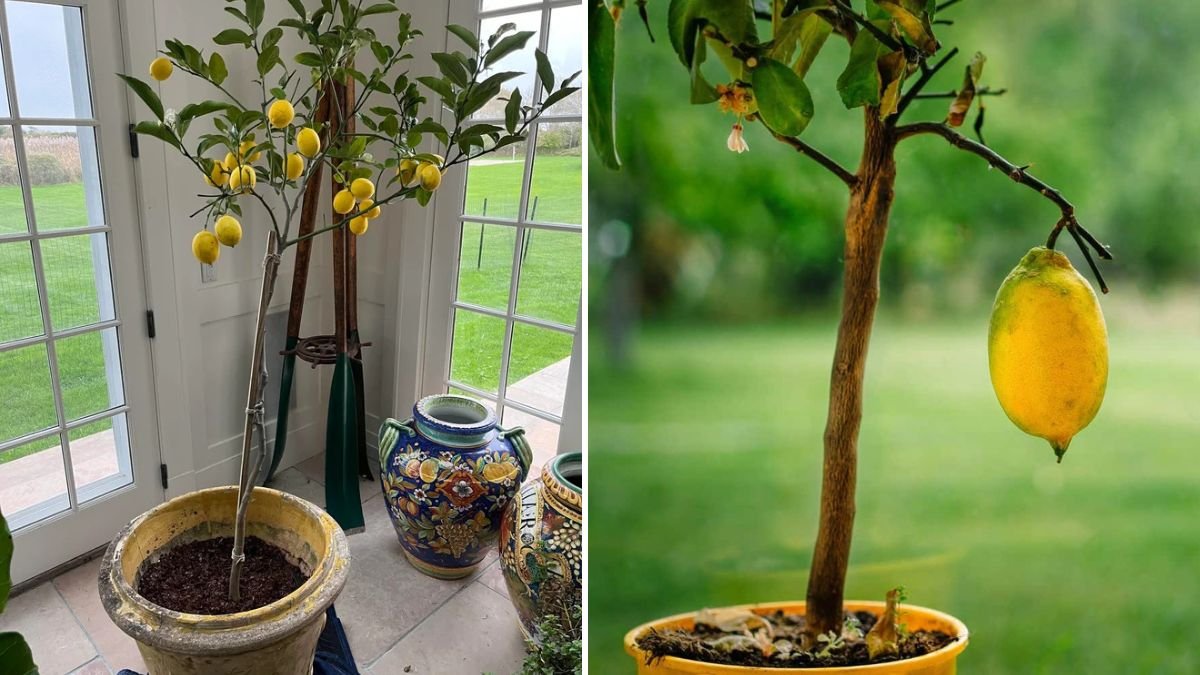
Growing your own lemon tree is one of the most rewarding experiences for home gardeners. The joy of watching a small cutting transform into a thriving plant loaded with fragrant blossoms and juicy lemons is unmatched. The best part? You don’t need to be an expert gardener to propagate lemon trees successfully. With just a few simple steps and basic materials, you can start growing new lemon trees right at home.
In this complete guide, we’ll walk through everything you need to know—from selecting the right stem to rooting it properly and caring for your newly propagated lemon plant.
Why Propagate Lemon Trees?
Propagation is the process of growing new plants from stems, leaves, seeds, or roots. When it comes to lemon trees, stem cuttings are the most popular method—especially for beginners—because they offer several benefits:
1. Faster Growth Than Seeds
Seed-grown lemon trees may take 5–7 years or more to bear fruit. Cuttings, on the other hand, often start fruiting in 2–3 years, because they’re genetically identical to mature, fruiting plants.
2. Preserves the Mother Plant’s Quality
If your lemon tree produces extra-juicy, sweet, or fragrant lemons, propagating from it ensures your new plant has the exact same traits.
3. Cheaper Than Buying Nursery Plants
Why spend money on new saplings when you can create your own for free?
4. Makes Gardening Fun and Creative
Propagating plants is a satisfying experience. Watching life sprout from a piece of stem feels magical every time.
What You Need Before You Start
You don’t need expensive tools. Gather these simple items:
- A healthy lemon tree (mother plant)
- Sharp, sterilized pruning shears
- A 6–8 inch semi-hardwood stem
- Rooting hormone (optional but highly effective)
- Potting mix (cocopeat + perlite or soil + sand)
- A small container with drainage holes
- Clear plastic bag or humidity dome
- Water spray bottle
Once you have everything ready, you’re set to begin!
Step-by-Step Guide to Propagating Lemon Trees

1. Choose the Right Cutting
Selecting the right stem is the most important step.
Look for:
- A semi-hardwood branch (neither too young nor too old)
- Around 6–8 inches in length
- Pencil-thick
- With 3–4 leaf nodes
- Free from pests or disease
Avoid very soft, new growth—it wilts easily and has lower rooting success.
2. Make a Clean Cut
Using sterilized shears:
- Cut the stem at a 45-degree angle just below a leaf node
- Remove any flowers or baby fruits
- Strip off the bottom 2–3 leaves, leaving only the top leaves
This helps the cutting focus on root formation instead of supporting new growth.
3. Apply Rooting Hormone (Optional but Recommended)
Dip the lower 1–2 inches of the stem into rooting hormone powder or gel.
This step:
- Speeds up root formation
- Prevents fungal infections
- Increases success rate dramatically
If you don’t have rooting hormone, you can use aloe vera gel as a natural alternative.
4. Prepare the Rooting Mix

Lemon cuttings need a light, airy medium to root successfully.
Recommended mixtures:
- 50% cocopeat + 50% perlite
- 40% garden soil + 30% sand + 30% compost
- 50% sand + 50% cocopeat
The goal is to prevent waterlogging while keeping the mix moist.
Fill your pot, moisten it lightly, and poke a hole in the center.
5. Plant the Cutting Properly
Insert the cutting 2–3 inches deep into the pot.
Press the soil gently around the base to remove air pockets.
Make sure:
- Leaves remain above the soil
- Stem stands upright and firm
6. Create a Humid Environment
Humidity is crucial for rooting. Cover the pot with:
- A clear plastic bag,
- A cut water bottle, or
- A mini greenhouse dome
This prevents moisture loss and creates ideal rooting conditions.
Place the pot in bright, indirect sunlight—never direct sun.
7. Maintain Moisture and Temperature
For the next few weeks:
- Keep the soil lightly moist, not soaked
- Mist the cutting every 2–3 days
- Maintain temperature between 20–28°C
Overwatering is the biggest killer of cuttings—avoid soggy soil.
8. Check for Root Development
Roots usually form in 3–6 weeks.
You can test gently by tugging the stem:
- If it resists, roots have formed
- If it slides out easily, give it more time
Once roots are visible, remove the humidity cover gradually over a week.
Your lemon plant is now transitioning to natural air!
Aftercare Tips for Faster Growth
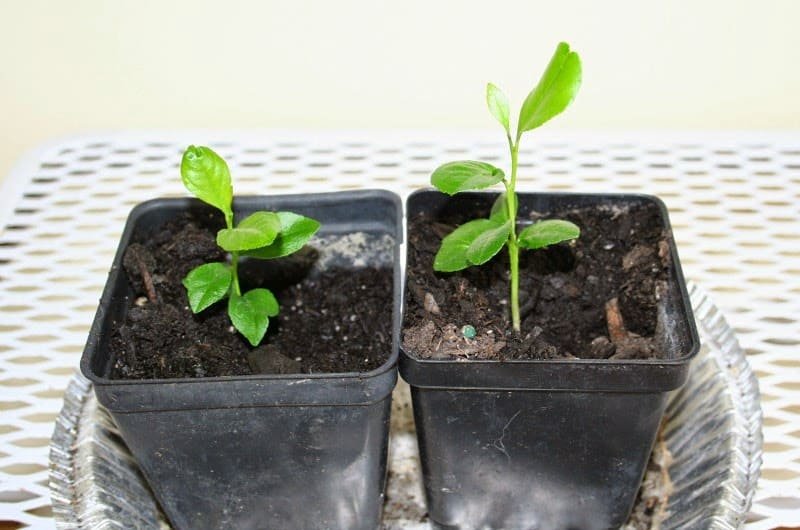
Rooting is just the beginning. Proper care will turn your small cutting into a thriving lemon tree.
1. Transplanting the Rooted Cutting
After 8–10 weeks, when the cutting has strong roots:
- Move it to a bigger pot (8–10 inches)
- Use nutrient-rich soil with good drainage
- Water deeply and allow excess water to drain out
2. Sunlight Requirements
Lemons love sunlight.
Provide:
- 4–6 hours of direct sunlight daily
- Or bright filtered light for indoor plants
Rotate the pot to ensure even growth.
3. Watering the Young Plant
Young lemon trees prefer moist soil.
Follow this rule:
- Water when the top inch of soil feels dry
- Avoid constant wetness
- Ensure the pot has drainage holes
4. Feeding for Strong Growth
Feed your lemon plant every 3–4 weeks with:
- Balanced NPK (10-10-10 or 19-19-19) in liquid form
- Organic compost or vermicompost
- Seaweed solution for foliar spray
Avoid over-fertilizing—young plants burn easily.
5. Pruning and Shaping
Pruning helps the new lemon tree grow bushier.
After 4–5 months:
- Pinch off the growing tip
- Remove weak or crossing branches
- Encourage 3–4 main stems
Common Problems & How to Fix Them
1. Cutting is turning black?
Cause: Rot due to overwatering
Fix: Use a better draining mix and reduce watering
2. Leaves are drying out?
Cause: Low humidity
Fix: Use a plastic humidity dome
3. No roots after 6 weeks?
Cause: Cutting was too young or too old
Fix: Try with semi-hardwood stems and use rooting hormone
4. Fungal growth on soil?
Cause: Poor air circulation
Fix: Remove fungus, improve ventilation, avoid excess moisture
When Will the New Lemon Tree Produce Fruit?
A propagated lemon cutting usually begins flowering and fruiting within:
2–3 years
This is much faster than seed-grown lemon trees.
To encourage fruiting:
- Provide full sun
- Use potassium-rich fertilizer
- Avoid water stress
With proper care, your new lemon tree will reward you with fragrant blossoms and fresh lemons sooner than you think!
Final Thoughts
Propagating lemon trees at home is simple, fun, and highly rewarding. With the right cutting, the right method, and a little patience, you can multiply your lemon plants and enjoy a mini orchard in containers or your backyard.
Whether you want to grow more trees for your garden, gift them to friends, or even sell them, propagation is a skill worth mastering.