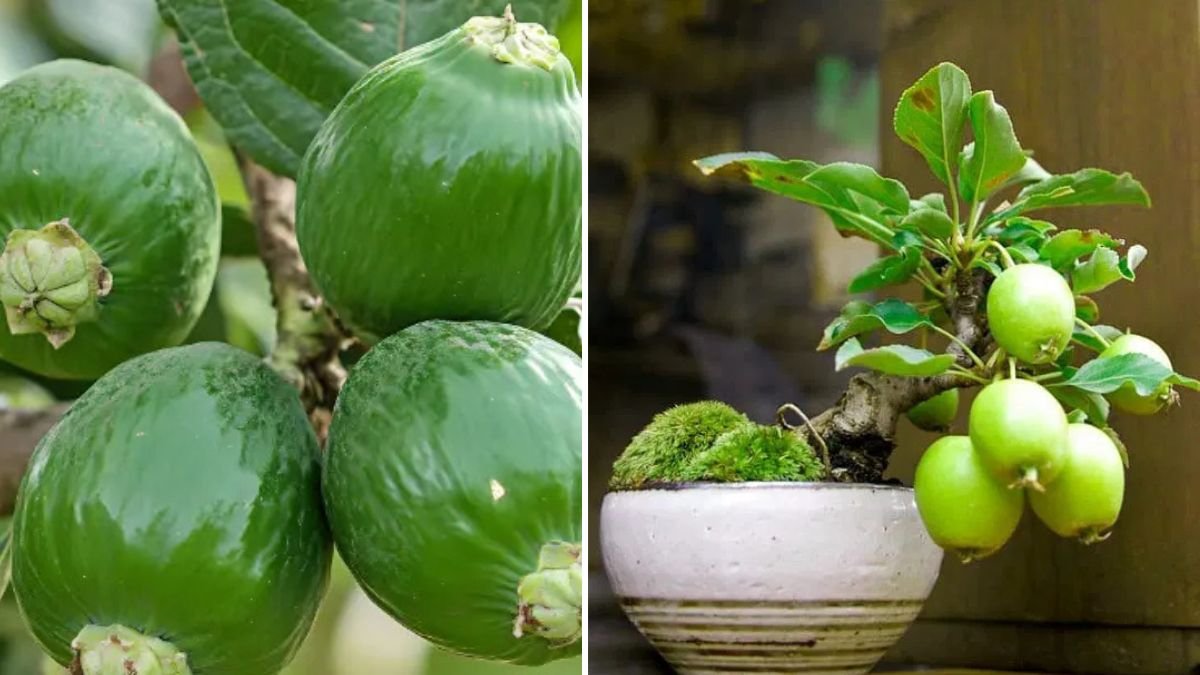
Guava, the tropical delight loved for its juicy sweetness and nutritional benefits, is not just a fruit—it’s a treasure for home gardeners. Imagine enjoying fresh, homegrown guavas straight from your backyard. One of the easiest and most effective ways to propagate guava trees is through cuttings. Unlike growing from seeds, cuttings allow you to produce a new tree that retains the parent plant’s quality and often bears fruit much faster.
In this comprehensive guide, we’ll walk you through the best techniques to grow guava trees from cuttings, including choosing the right cutting, preparing it for planting, rooting, and aftercare for healthy growth.
Why Propagate Guava from Cuttings?
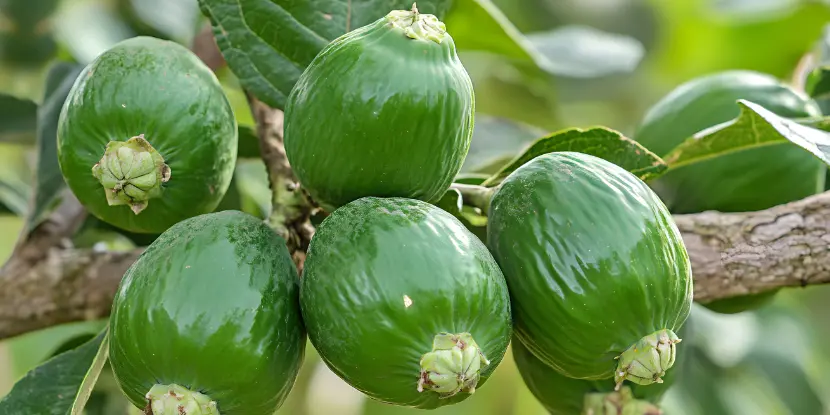
Guava can be propagated through seeds, air layering, grafting, or cuttings. Among these, using cuttings is highly favored for several reasons:
- Faster Fruit Production: Seed-grown guavas may take 3–5 years to bear fruit. Cuttings, however, can start producing in just 2–3 years.
- True-to-Type Trees: Cuttings ensure that the new tree is genetically identical to the parent tree, preserving fruit quality and flavor.
- Cost-Effective: You don’t need to buy seedlings from nurseries—one healthy parent tree can produce multiple new plants.
- Simplicity: The process requires minimal equipment and is suitable for both beginners and experienced gardeners.
Choosing the Right Guava Cutting
Selecting the right cutting is crucial for success. Here’s what to look for:
- Type: Semi-hardwood cuttings are ideal—mature enough to have strength but young enough to root easily.
- Length: 6–8 inches long
- Diameter: Pencil-thick
- Leaves: 3–4 nodes with a few healthy leaves at the top
- Health: Free from disease, pests, or damage
Tip: Avoid soft, green shoots as they are prone to wilting, and avoid very woody stems as they root slowly.
Preparing the Cutting
Once you have selected a healthy branch, follow these steps:
- Cut Cleanly: Use sterilized pruning shears to cut at a 45-degree angle just below a leaf node.
- Remove Lower Leaves: Strip the bottom 2–3 leaves to reduce water loss and encourage root formation.
- Trim Flowers or Fruits: If present, remove them to allow the cutting to focus on developing roots.
- Optional – Apply Rooting Hormone: Dip the base of the cutting in rooting hormone or natural alternatives like aloe vera gel. This significantly increases the chance of successful rooting.
Preparing the Planting Medium
Guava cuttings require a well-drained, airy medium to prevent rotting and support root growth. Recommended mixtures include:
- 50% cocopeat + 50% perlite
- 40% garden soil + 30% sand + 30% compost
- 50% sand + 50% cocopeat
Fill a small container with the medium and moisten it slightly. Use a container with drainage holes to avoid waterlogging.
Planting the Cutting
- Make a Hole: Use a pencil or stick to create a small hole in the medium.
- Insert the Cutting: Place the cutting 2–3 inches deep and firm the soil gently around it.
- Ensure Upright Position: Make sure the cutting stands straight and leaves remain above the soil surface.
Providing the Right Conditions for Rooting
Guava cuttings need humidity, warmth, and indirect sunlight to root successfully.
- Humidity: Cover the cutting with a clear plastic bag or mini greenhouse dome to retain moisture.
- Temperature: Keep the environment between 22–28°C for optimal root development.
- Light: Place the cutting in bright, indirect sunlight—avoid direct sun which may scorch the leaves.
- Watering: Mist the cutting every 2–3 days. The soil should remain lightly moist but not soggy.
Checking for Root Development
Rooting usually occurs within 4–6 weeks. You can gently tug the cutting:
- If it resists, roots are developing successfully.
- If it slides out easily, give it more time and continue proper care.
Once roots are established, gradually remove the humidity cover over a week to acclimatize the plant to natural air.
Transplanting the Rooted Cutting
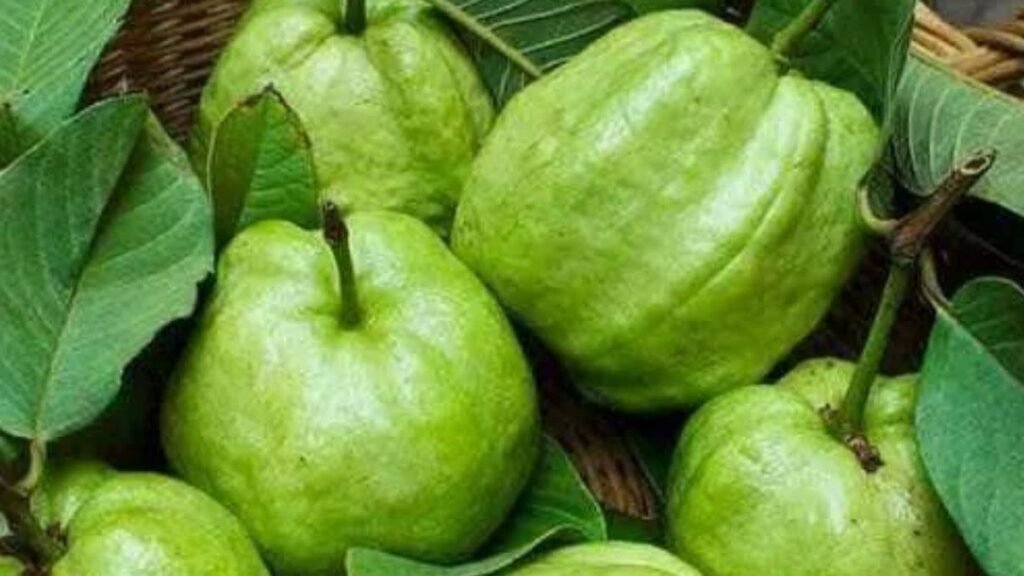
After 8–10 weeks, your cutting will have a strong root system and be ready for a larger pot or garden planting.
Steps for Transplanting
- Select a Larger Pot or Garden Spot: Ensure the soil is fertile and well-drained.
- Prepare the Soil: Mix compost or organic manure with garden soil.
- Plant Carefully: Place the rooted cutting, cover roots with soil, and water thoroughly.
- Mulch: Apply 2–3 inches of mulch around the base to retain moisture and suppress weeds.
Caring for Your Guava Tree
After transplanting, proper care ensures rapid growth and future fruiting.
Watering
- Young plants: Water 2–3 times a week
- Mature plants: Deep watering once a week
- Avoid waterlogging to prevent root rot
Fertilization
- Use nitrogen-rich fertilizers for vegetative growth
- Apply phosphorus and potassium for root and fruit development
- Organic options like vermicompost or cow manure are highly beneficial
- Fertilize every 6–8 weeks for young plants and 3–4 times a year for mature trees
Pruning
- Remove weak or diseased branches
- Encourage bushy growth by trimming the growing tips
- Maintain a proper shape for sunlight penetration
Sunlight
- Ensure at least 6–8 hours of direct sunlight daily
- Rotate pots if growing in containers for even growth
Managing Pests and Diseases
Healthy guava cuttings grow faster and resist problems, but vigilance is important.
Common Pests
- Aphids, fruit flies, and scale insects
- Treat with neem oil or insecticidal soap
Common Diseases
- Anthracnose, wilt, and leaf spot
- Ensure proper drainage, avoid overcrowding, and prune infected areas promptly
When Will Your Guava Tree Bear Fruit?
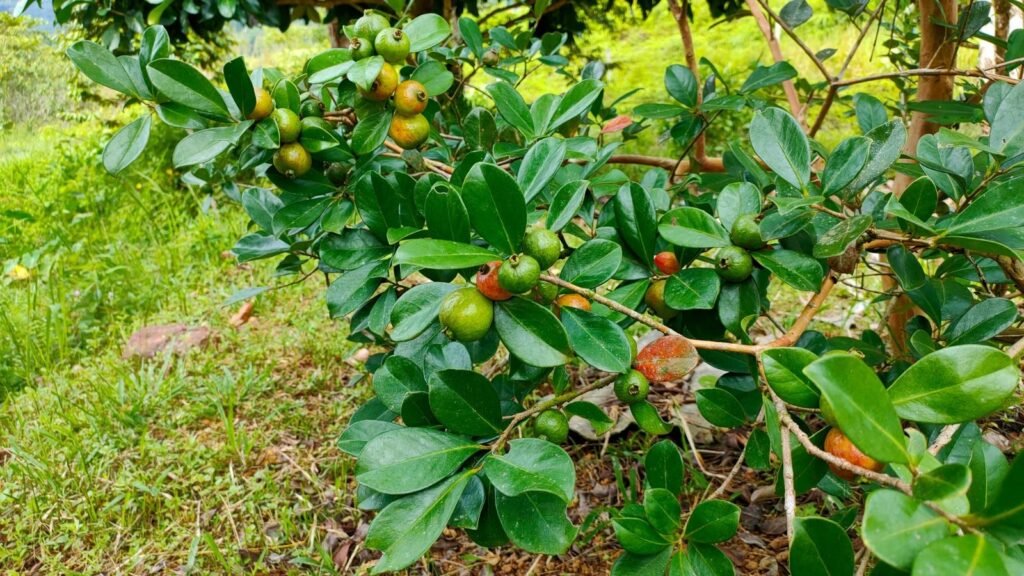
Guava trees propagated from cuttings usually start flowering and fruiting within 2–3 years, which is faster than seed-grown trees. Proper care with fertilization, sunlight, pruning, and pest management will maximize fruit production.
Harvesting Tips
- Guavas are ready when slightly soft and fragrant
- Harvest carefully to avoid bruising
- Frequent harvesting encourages more flowering and fruiting
Tips for Faster Growth
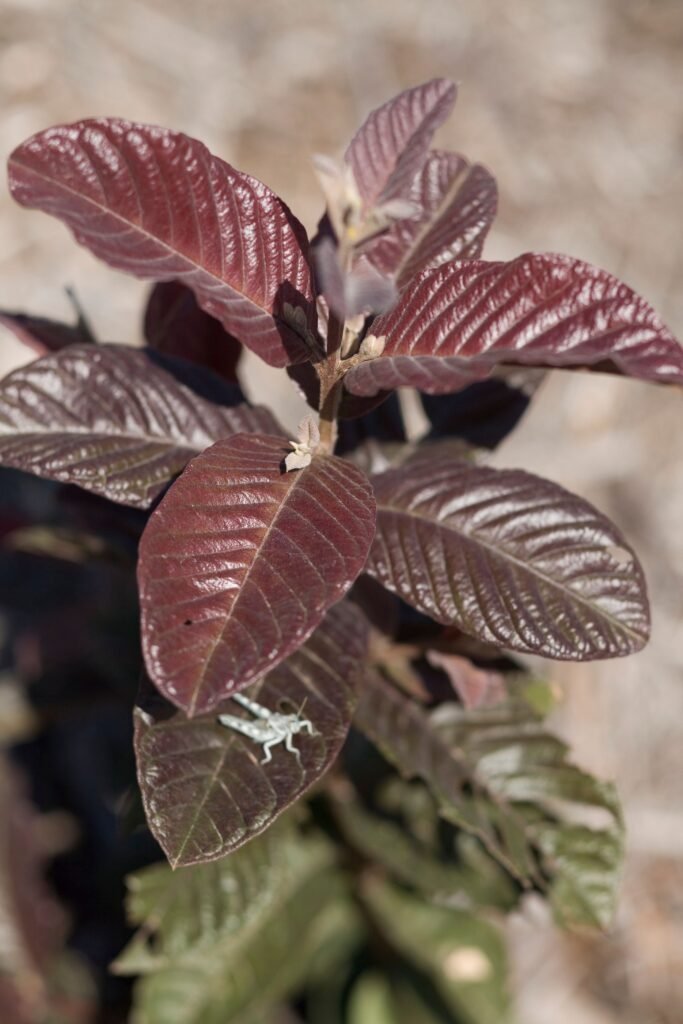
- Choose high-quality cuttings from a healthy parent plant
- Use rooting hormones or natural alternatives for better success
- Maintain consistent moisture and humidity
- Provide adequate sunlight
- Fertilize regularly with organic and chemical options
- Prune strategically to encourage branching and fruiting
- Monitor for pests and diseases frequently
By following these tips, your guava tree will grow faster, healthier, and produce delicious fruits for years to come.
Conclusion
Growing guava trees from cuttings is a simple, cost-effective, and rewarding method for gardeners who want quick results. Unlike seeds, cuttings ensure faster fruiting and preserve the quality of the parent plant. By selecting the right cutting, providing ideal soil, maintaining proper watering, and giving it the right care, you can enjoy a thriving guava tree in your backyard or garden in just a few years.
Start today, follow these expert steps, and watch your guava cutting transform into a fruit-laden tree that will delight your family and friends with its sweet, aromatic fruits.