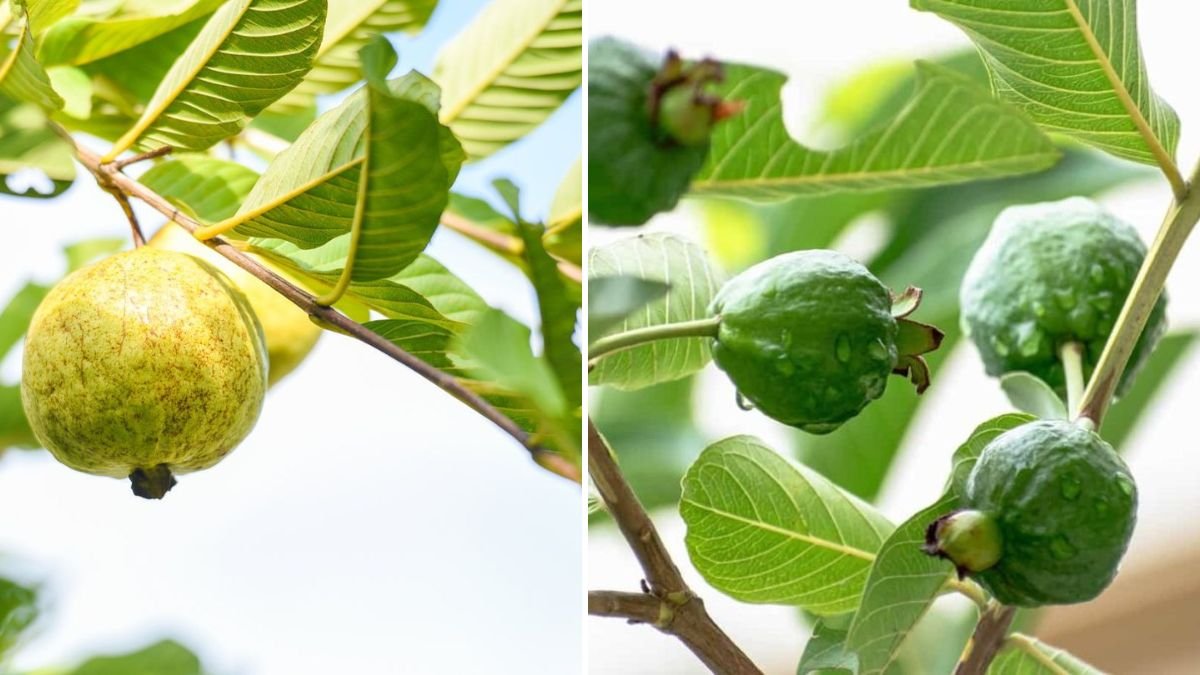
Guava, a tropical delight prized for its sweet, juicy taste and high nutritional value, is a favorite among home gardeners. Imagine picking ripe, aromatic guavas from your backyard, enjoying the fruits of your own effort. While guava trees are naturally hardy and adaptable, many gardeners struggle with slow growth and delayed fruiting. But what if you could grow guava plants faster and enjoy fruits sooner?
In this guide, we reveal the one simple trick that accelerates guava growth, along with expert tips for planting, rooting, fertilizing, and caring for your plants. Whether you are a beginner or an experienced gardener, these strategies will help you cultivate healthy, fast-growing guava trees.
Why Guava Growth is Slow Without Proper Techniques
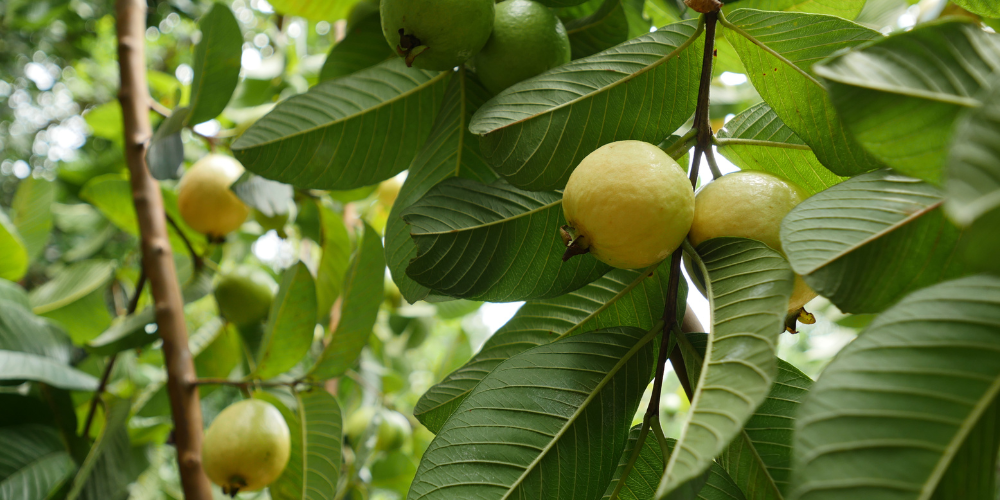
Growing guava from seeds or traditional cuttings can be slow for several reasons:
- Seed-grown plants take 3–5 years to bear fruit.
- Poor soil conditions reduce root development and nutrient uptake.
- Insufficient sunlight or improper watering can stunt growth.
- Neglected pruning and fertilization limit branch development and fruiting.
Fortunately, there’s a single, highly effective method that speeds up growth dramatically: propagating guava through semi-hardwood cuttings using rooting hormones combined with proper care.
The One Trick: Semi-Hardwood Cuttings + Rooting Hormone
The fastest way to grow guava plants is to propagate them from semi-hardwood cuttings and treat the base with rooting hormone. This approach offers three major advantages:
- Faster rooting: Rooting hormones stimulate root formation and reduce the time it takes for your cutting to establish.
- Early fruiting: Cuttings from mature parent trees can start producing fruit in 2–3 years instead of 3–5 years from seed.
- True-to-type plants: You get the same fruit quality as the parent tree, unlike seed-grown plants which may vary.
Selecting the Right Guava Cutting
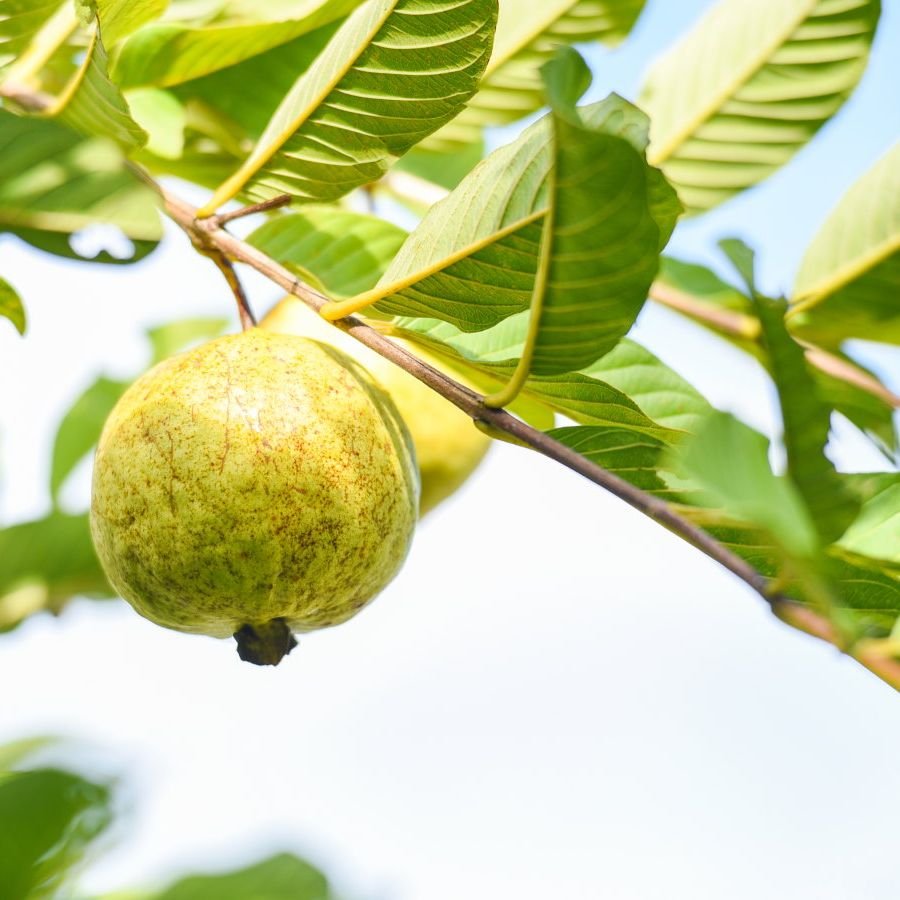
Choosing the right cutting is critical. Follow these tips:
- Type: Semi-hardwood branch (neither too soft nor too old)
- Length: 6–8 inches
- Diameter: Pencil-thick
- Leaves: 3–4 nodes with healthy leaves at the top
- Health: Free from pests, diseases, or damage
Avoid soft, green shoots as they wilt easily and slow down rooting, and avoid old, woody stems that are difficult to root.
Preparing the Cutting
Once you have a healthy branch:
- Make a clean cut at a 45-degree angle below a leaf node using sterilized pruning shears.
- Remove lower leaves from the bottom 2–3 nodes.
- Trim flowers or fruits to direct energy toward root development.
- Apply rooting hormone: Dip the cut base into powder or gel form. You can also use natural alternatives like aloe vera gel to enhance rooting.
Preparing the Planting Medium
Guava cuttings need a well-draining, airy medium for successful rooting. Recommended mixtures:
- 50% cocopeat + 50% perlite
- 40% garden soil + 30% sand + 30% compost
- 50% sand + 50% cocopeat
Pro Tip: Moisten the medium lightly before planting to prevent drying.
Planting the Cutting
- Create a hole in the medium using a stick or pencil.
- Insert the cutting 2–3 inches deep.
- Firm the soil around the base and ensure the cutting stands upright.
- Cover the cutting with a clear plastic bag or mini greenhouse dome to maintain humidity.
Place the cutting in bright, indirect sunlight to avoid scorching the leaves while encouraging root growth.
Watering for Fast Growth
Moisture is key. Overwatering or underwatering slows down rooting. Follow these tips:
- Mist the cutting every 2–3 days to maintain humidity.
- Keep the soil lightly moist but not soggy.
- Avoid waterlogging, which can cause root rot.
Once roots form (usually in 4–6 weeks), gradually remove the humidity cover to acclimatize the plant to natural conditions.
Transplanting the Rooted Cutting
After 8–10 weeks, your cutting will have a strong root system. Steps for transplanting:
- Select a larger pot or garden spot with fertile, well-draining soil.
- Mix compost or well-rotted manure into the soil to improve fertility.
- Plant carefully, cover the roots, and water thoroughly.
- Apply 2–3 inches of mulch around the base to retain moisture and reduce weeds.
Fertilization for Rapid Growth
Proper fertilization is crucial for fast-growing guava plants:
- Young plants: Apply nitrogen-rich fertilizer to stimulate vegetative growth.
- Mature plants: Include phosphorus and potassium for root and fruit development.
- Organic alternatives like vermicompost, cow manure, or compost are excellent for long-term soil health.
- Fertilize every 6–8 weeks for young plants and 3–4 times per year for mature trees.
Pruning for Speedy Growth and Fruit Production
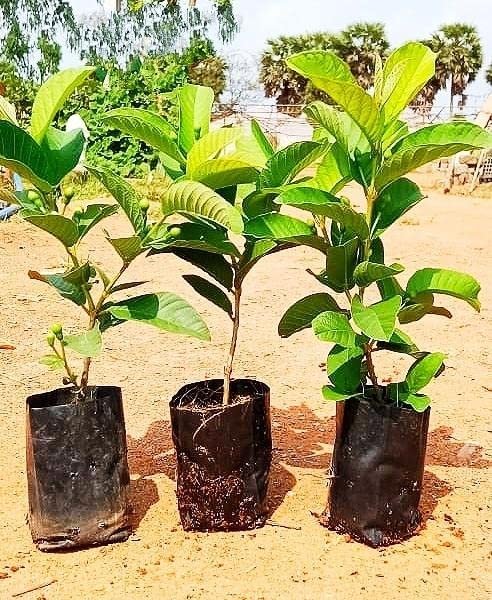
Pruning is essential to encourage bushy growth and early fruiting:
- Remove weak, dead, or diseased branches.
- Trim growing tips to promote lateral shoots.
- Shape the tree to allow sunlight to penetrate all branches.
Regular pruning ensures faster growth and better fruit production.
Pest and Disease Management
Healthy guava plants grow faster and resist pests, but vigilance is key.
Common Pests
- Aphids, fruit flies, scale insects
- Treat with neem oil, insecticidal soap, or horticultural oils
Common Diseases
- Anthracnose, wilt, leaf spots
- Maintain proper soil drainage, prune affected areas, and ensure good air circulation.
Harvesting Your Guavas
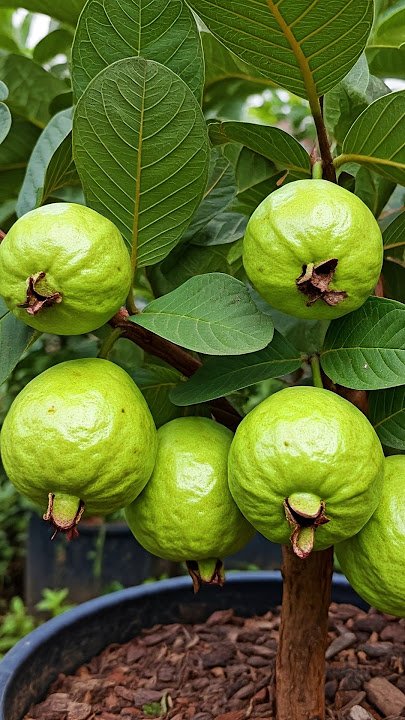
By following the one trick of semi-hardwood cuttings + rooting hormone and giving proper care, your guava tree can produce fruit in 2–3 years.
Harvesting Tips
- Fruits are ready when slightly soft and fragrant.
- Pick carefully to avoid bruising.
- Frequent harvesting encourages more flowering and fruiting.
Bonus Tips for Faster Guava Growth
- Choose high-quality parent plants for propagation.
- Use organic mulches to maintain moisture and soil health.
- Provide consistent sunlight and avoid shaded areas.
- Monitor regularly for pests and diseases.
- Water deeply but not excessively to strengthen roots.
- Rotate pots if container-grown for even growth.
By combining these tips with the one trick, your guava plants will grow faster, healthier, and start producing delicious fruits sooner.
Conclusion
Growing guava plants faster doesn’t have to be complicated. The one simple trick—propagating semi-hardwood cuttings treated with rooting hormone—combined with proper soil, watering, sunlight, fertilization, and pruning, can dramatically reduce the time it takes for your plant to thrive and bear fruit.
Whether you are growing guavas in pots, your backyard, or a small farm, implementing these strategies ensures healthy, fast-growing trees that reward you with sweet, juicy fruits in a fraction of the time compared to seed-grown plants.
Start today, follow these expert steps, and watch your guava plant flourish faster than ever!