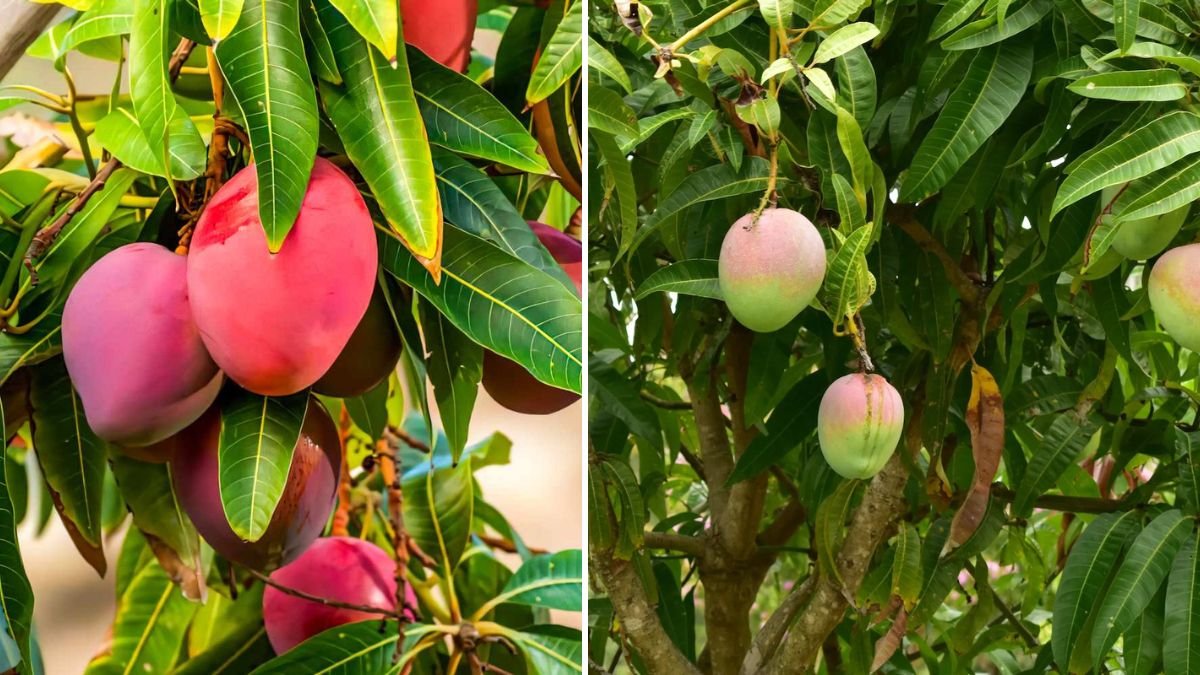
Mango trees, the “king of fruits,” are loved worldwide for their sweet, juicy flavor and aromatic fragrance. Growing mango trees from seeds is rewarding, but it can take 5–8 years to bear fruit. Fortunately, grafting is a proven method to produce fruit-bearing mango trees faster, healthier, and with predictable fruit quality.
In this guide, we’ll explain the best technique to graft a mango tree, step by step, so you can enjoy faster growth, stronger trees, and delicious mangoes in your garden.
Why Grafting a Mango Tree is Worth It
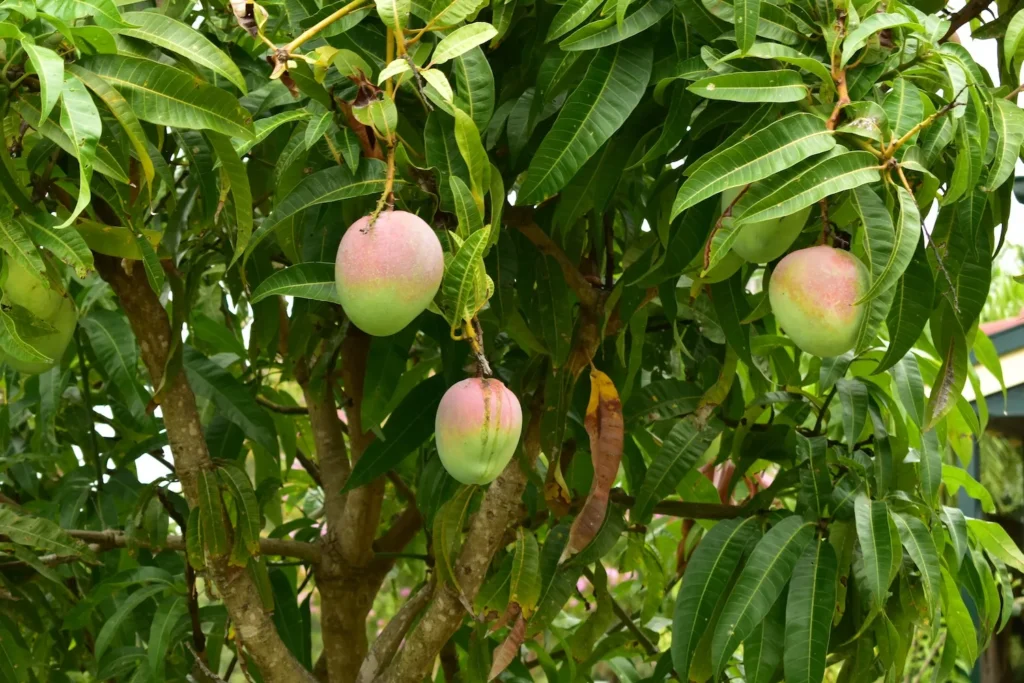
Grafting is the process of joining a healthy scion (cutting from a desired mango variety) with a rootstock (young seedling) so that they grow as a single tree. This method offers several advantages:
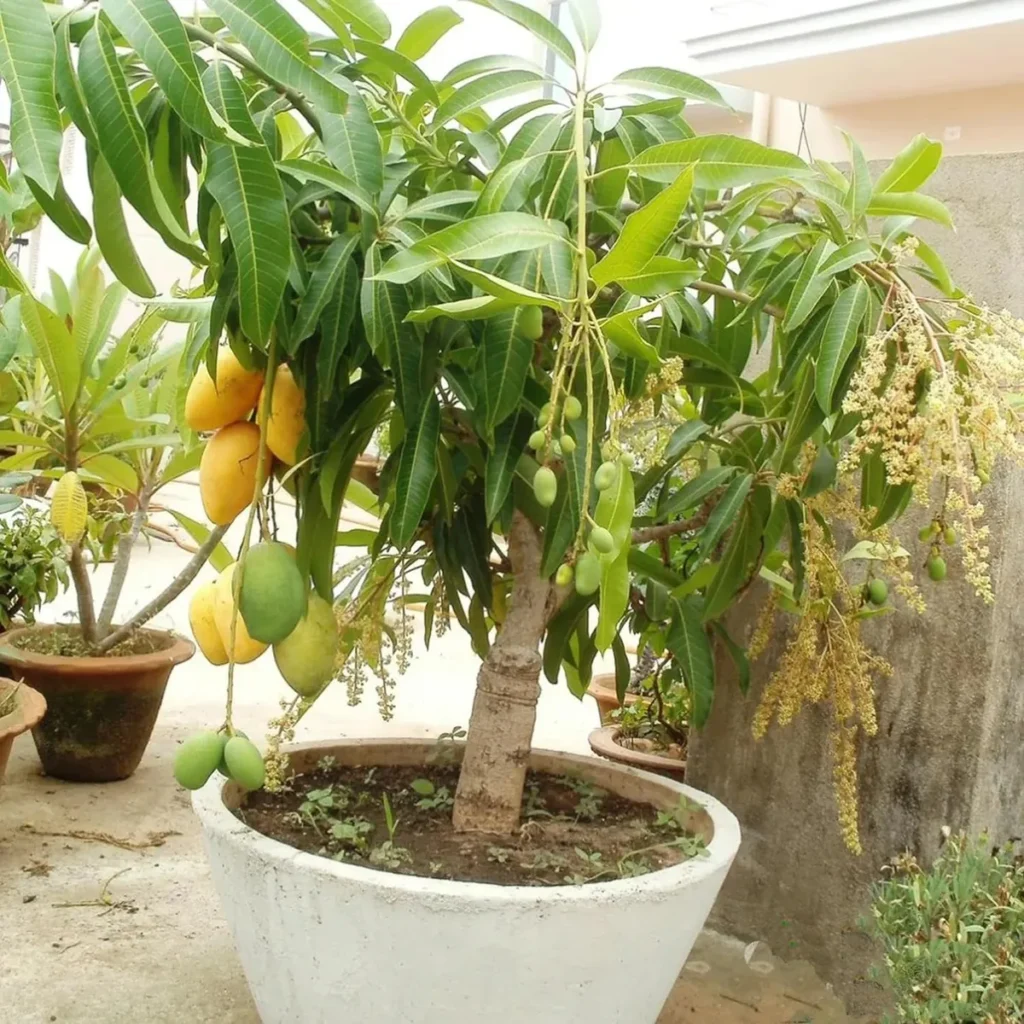
- Faster Fruiting: Grafted mango trees can bear fruit in 2–3 years, compared to 5–8 years from seed.
- True-to-Type Fruit: The new tree produces exactly the same mango variety as the scion, ensuring consistent quality.
- Stronger Growth: The rootstock provides disease resistance and better adaptability, while the scion focuses on fruiting.
- Space Efficiency: You can graft multiple varieties on a single tree, allowing diverse fruits in limited space.
Selecting the Right Rootstock and Scion
1. Rootstock Selection
- Choose a vigorous, disease-free mango seedling, 6–12 months old.
- Seedlings from hardy varieties like Totapuri, Neelum, or Alphonso make excellent rootstocks.
- Healthy rootstock ensures strong growth, better nutrient uptake, and disease resistance.
2. Scion Selection
- Select a healthy branch from a mature mango tree of the desired variety.
- Scions should be semi-hardwood, 6–8 inches long, with 3–4 nodes.
- Avoid branches with disease, pests, or weak growth.
Pro Tip: Scions taken during the early morning have the highest success rate because they are hydrated and fresh.
Preparing for Grafting
- Sterilize Tools: Use a sharp knife or grafting tool and disinfect it with alcohol to prevent infections.
- Cut the Scion: Trim leaves and remove extra shoots. Keep only 2–3 leaves at the top.
- Trim the Rootstock: Cut the rootstock at the desired height (usually 1–2 feet above the ground) to prepare for the graft.
Best Grafting Techniques for Mango Trees
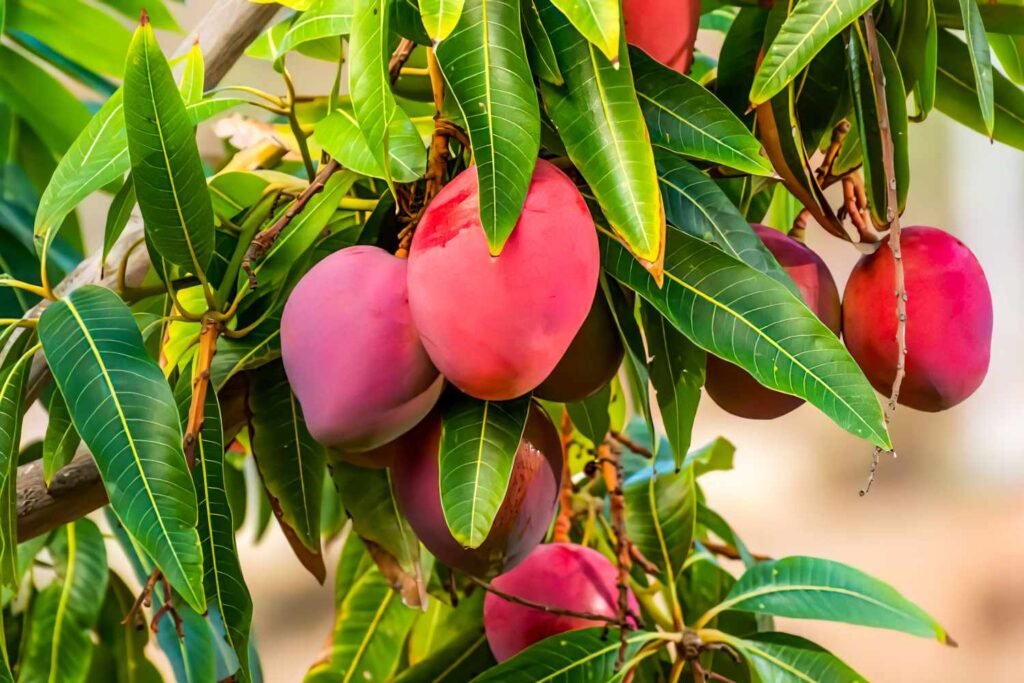
There are several grafting methods, but the splice grafting technique is one of the easiest and most successful for mango trees.
Step-by-Step Splice Grafting
- Cut the Rootstock: Make a clean, diagonal cut (45-degree angle) about 1–2 inches long at the top of the rootstock.
- Prepare the Scion: Cut the base of the scion at the same angle as the rootstock to ensure a perfect fit.
- Join the Scion and Rootstock: Align the cambium layers (the green layer just under the bark) carefully. Proper cambium contact is crucial for successful grafting.
- Secure the Graft: Use grafting tape, rubber bands, or parafilm to tightly bind the scion and rootstock.
- Seal the Graft: Apply grafting wax or tree sealant to prevent moisture loss and infection.
- Provide Shade: Place the grafted plant in partial shade for 2–3 weeks to reduce stress.
Success Tip: Avoid disturbing the graft for at least 4–6 weeks. The union will strengthen, and new growth will appear from the scion.
Other Effective Grafting Methods
- Cleft Grafting: Suitable for thicker rootstocks; involves splitting the rootstock and inserting the scion.
- Side Veneer Grafting: Ideal for young, thin rootstocks; scion is inserted at the side and secured.
- Bark Grafting: Common during active growth; bark is peeled and scion inserted beneath it.
Aftercare for Grafted Mango Trees
Proper care post-grafting is essential for success:
1. Watering
- Keep the soil consistently moist, not soggy.
- Avoid overhead watering on the graft to prevent rot.
2. Fertilization
- Use nitrogen-rich fertilizer to encourage root and scion growth.
- After 4–6 weeks, apply balanced NPK fertilizer to support strong shoots and leaf development.
3. Pruning
- Remove competing shoots from the rootstock that emerge below the graft.
- This ensures the scion receives all nutrients and grows faster.
4. Pest and Disease Management
- Check for pests like aphids, mealybugs, and scales.
- Common diseases: anthracnose and powdery mildew.
- Preventive sprays with neem oil or mild fungicides protect young grafts.
Monitoring Growth and Development
Within 2–4 weeks, you may see new shoots emerging from the scion. This indicates a successful graft.
Signs of success:
- Fresh, green leaves at the scion tip
- Firm union between rootstock and scion
- Healthy rootstock with no signs of rot or disease
Signs of failure:
- Wilting or blackened scion
- Poor cambium contact
- Fungal infection at the graft site
If the graft fails, don’t be discouraged—grafting is a skill, and success improves with practice.
When Will the Grafted Mango Tree Bear Fruit?
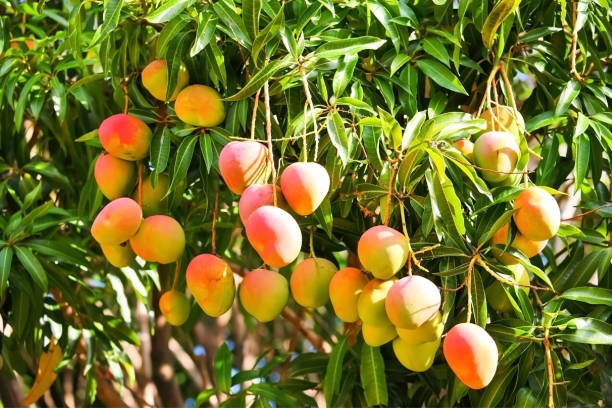
- Seed-grown trees: 5–8 years to fruit
- Grafted trees: 2–3 years to fruit
- Proper care, fertilization, and pruning ensure early flowering and fruiting.
Harvesting Tips:
- Mangoes are ready when slightly soft, aromatic, and color develops according to the variety.
- Pick fruits carefully to avoid damaging branches.
Tips for Maximum Grafting Success
- Use healthy, mature scions from productive trees.
- Ensure perfect cambium contact between scion and rootstock.
- Keep grafts shaded and humid during initial weeks.
- Avoid extreme temperatures or drought post-grafting.
- Monitor for pests and disease regularly.
- Be patient: Even with the best technique, early care is crucial.
By following these tips, your grafted mango tree will grow faster, stronger, and produce high-quality fruit much sooner than seed-grown trees.
Advantages of Grafted Mango Trees
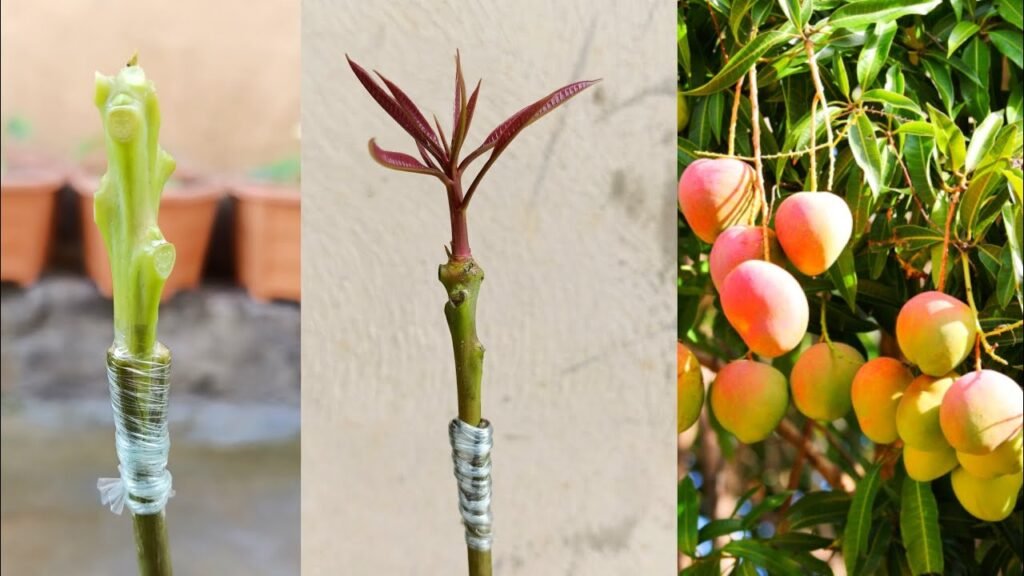
- Uniform Fruit Quality: Every tree produces the same variety with predictable flavor and size.
- Early Fruiting: Enjoy delicious mangoes years earlier than seed-grown trees.
- Disease Resistance: Rootstocks can enhance resistance to soil-borne diseases.
- Multiple Varieties: You can graft different mango varieties on the same rootstock for diverse harvests.
Conclusion
Grafting is the best technique to grow mango trees faster while ensuring strong growth and superior fruit quality. By selecting the right rootstock and scion, preparing them carefully, and following the splice grafting method with proper aftercare, you can enjoy delicious mangoes in just 2–3 years.
Whether you’re a home gardener or aspiring farmer, mastering grafting not only saves time but also enhances the health, productivity, and longevity of your mango trees. Start today, follow these steps, and watch your mango garden flourish with fast-growing, fruit-bearing trees that will delight your family for years to come.