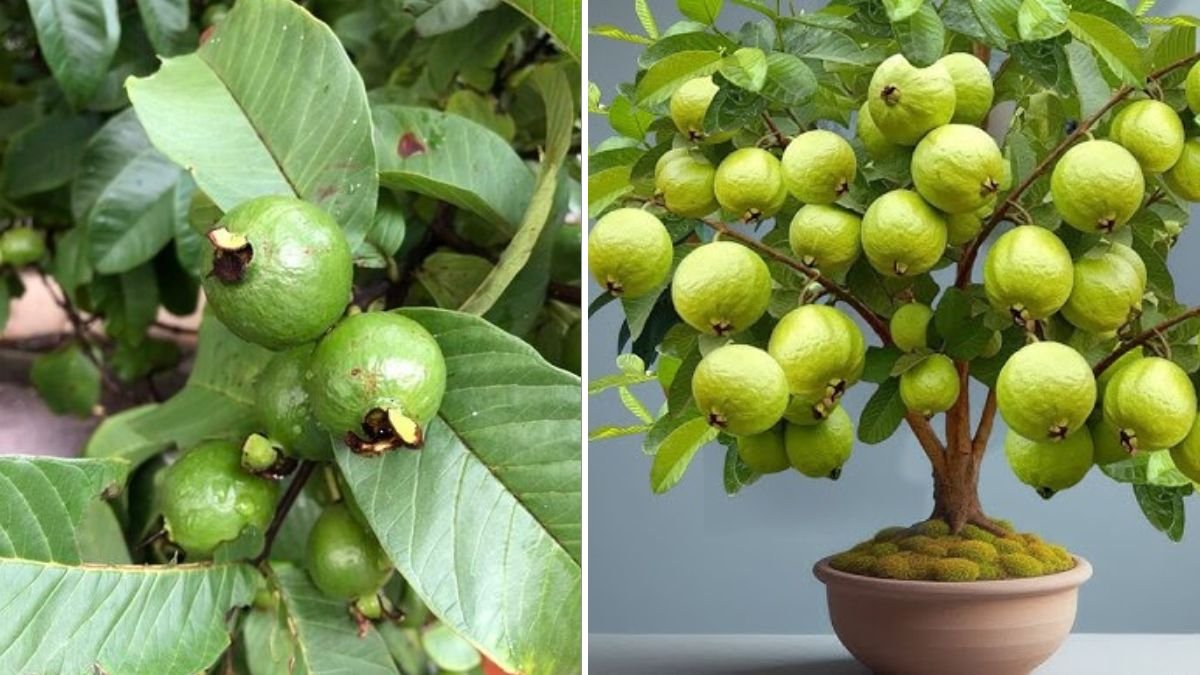
Growing your own guava tree at home is one of the most rewarding gardening experiences. Whether you live in a warm tropical region or a moderate climate, guava is surprisingly easy to propagate, fast-growing, and incredibly productive once established. If you’ve ever dreamed of plucking fresh guavas straight from your garden, balcony, or backyard—this guide will show you exactly how to make it happen.
In this detailed, beginner-friendly article, you’ll learn the simplest and most effective method to grow your very own guava tree, from propagation to care, growth tips, and fruiting secrets. Let’s dive right in!
Why Grow Guava at Home?
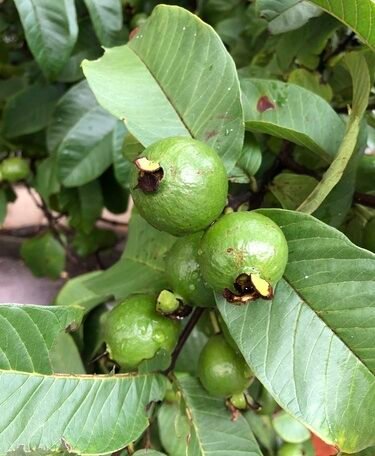
Guava trees are among the easiest fruit trees to grow at home because:
- They grow fast—often fruiting within 2–3 years from propagation
- They tolerate heat, humidity, and even short dry spells
- They thrive in containers, making them ideal for small spaces
- They require minimal care compared to other fruit trees
- They are naturally resistant to many pests and diseases
Plus, fresh guava tastes far superior to anything you buy at the market—sweeter, juicier, and full of aroma.
The Easiest Way to Grow Guava: Softwood Stem Cuttings
While guava seeds do germinate quickly, seed-grown guava trees can take 5–7 years to fruit. On the other hand, stem cuttings taken from an existing healthy plant grow faster, stronger, and produce true-to-type fruit.
That’s why the absolute best and easiest method for home gardeners is softwood stem propagation.
Why Softwood Cuttings Work So Well
Softwood stems are young, flexible, and actively growing. They root quickly and have a higher success rate than woody cuttings.
Best Time to Take Cuttings
- Early monsoon
- Early spring
- Late summer
These seasons give the cuttings enough warmth and humidity to form strong roots.
Step-by-Step: How to Prepare Guava Cuttings
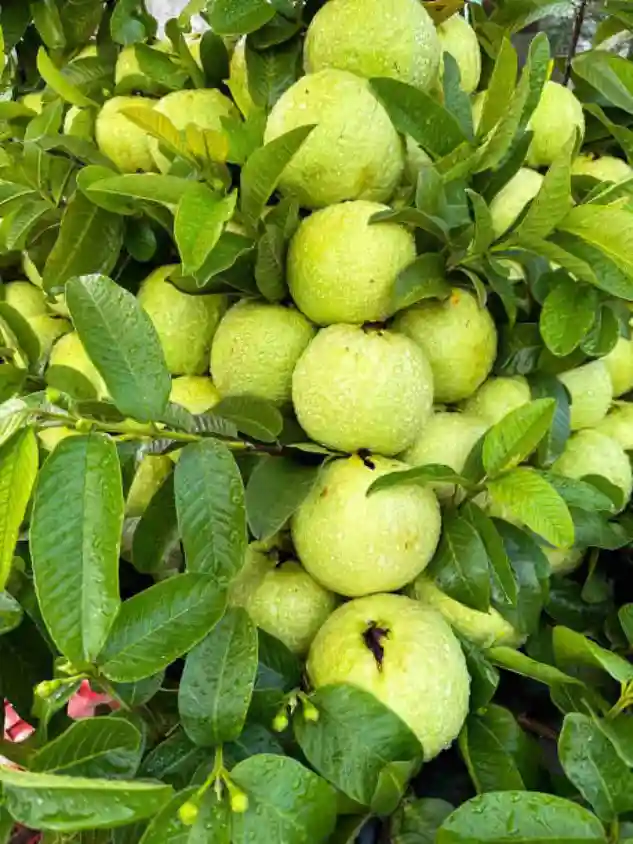
1. Choose the Right Branch
Select a healthy branch that is:
- 6–8 months old
- Green and flexible
- Free from pests or diseases
- About the thickness of a pencil
Avoid very old woody stems—they root slowly.
2. Cut the Stem Properly
Using sterilized pruning shears:
- Make a 6–8 inch cutting
- Cut just below a node (rooting hormone works best at nodes)
3. Remove Lower Leaves
Strip off the leaves from the bottom half of the stem.
This reduces moisture loss and directs energy to root formation.
4. Dip in Rooting Hormone (Natural or Store-Bought)
You can use:
- Aloe vera gel
- Cinnamon powder
- Honey
- Store-bought rooting powder (IBA/NAA)
This prevents infection and speeds up root development.
Planting the Guava Cuttings the Right Way
5. Prepare the Soil Mix
Guava cuttings root best in light, well-draining soil.
Make this highly effective mix:
- 40% cocopeat
- 30% perlite or sand
- 30% compost or garden soil
This ensures moisture retention without waterlogging.
6. Plant the Cutting
- Insert the cutting 2–3 inches deep
- Press the soil gently
- Water lightly
7. Create a Mini Greenhouse
Cut a plastic bottle or use a transparent polythene bag to cover the pot.
This keeps humidity high and prevents drying—critical for rooting success.
Care Tips During Rooting Period (First 4–6 Weeks)
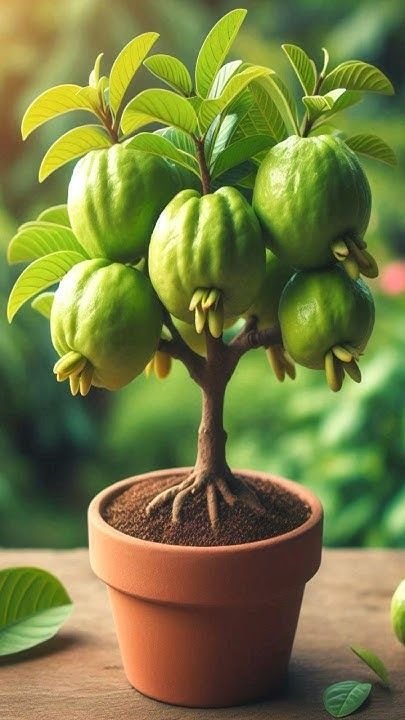
To ensure your guava cutting develops strong roots, follow these essential care tips:
Keep Soil Moist, Not Wet
Water when the top layer feels dry.
Overwatering is the #1 cause of cutting failure.
Place in Bright, Indirect Light
Avoid direct sunlight—it can scorch the tender cutting.
Maintain Warm Temperature
Rooting happens quickly in warm conditions (25–32°C).
Do Not Disturb the Cutting
Avoid pulling or checking for roots.
Instead, wait for new leaf growth, which signals rooting success.
After Rooting: How to Encourage Fast Growth
Once roots form, your guava plant will grow rapidly if given proper care.
1. Move to Partial Sunlight
Gradually expose the plant to more sun.
Guava thrives in 4–6 hours of direct sunlight.
2. Transplant to a Bigger Pot
After 6–8 weeks, move the rooted cutting to:
- A 12-inch pot, or
- Directly into the ground
Use rich, well-draining soil for best growth.
3. Water Regularly
Water 2–3 times a week during warm months.
Avoid waterlogging.
4. Fertilize to Boost Growth
Guava responds very well to natural fertilizers.
Apply once every 30–40 days:
- Vermicompost
- Cow dung manure
- Banana peel fertilizer
- Fish amino acid
- Seaweed extract
This helps develop strong branches, shiny foliage, and faster fruiting.
Pruning—The Secret to Fast Fruiting
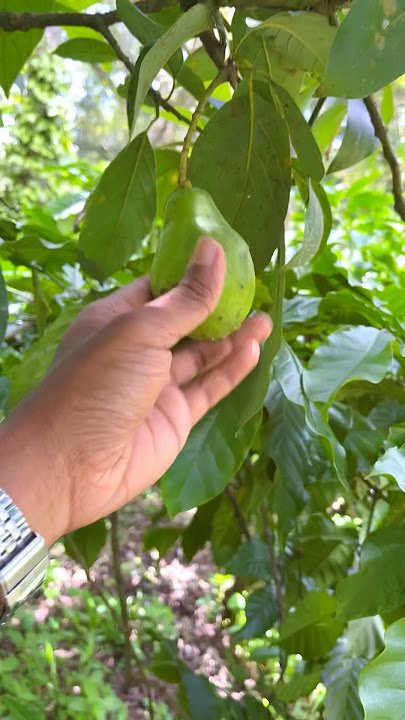
Guava trees fruit on new growth, so pruning is essential.
When to Prune
Prune:
- After harvest
- Before monsoon
- Late winter
How to Prune
- Remove weak or crossing branches
- Pinch the tips of new shoots
- Encourage branching for better fruit production
Proper pruning leads to:
- More flowers
- More fruits
- Bigger fruit size
Pest & Disease Care (Low Maintenance!)
Guava is naturally hardy, but keep watch for:
- Whiteflies
- Fruit flies
- Aphids
- Mealybugs
Natural Solutions:
- Neem oil spray weekly
- Soap water spray for aphids
- Sticky traps for fruit flies
Regular care keeps your guava tree strong and pest-free.
When Will Your Guava Tree Start Fruiting?
With the cutting method:
- You may see fruits in just 1–2 years
- Seed-grown plants take 5–7 years
This is why cuttings are the best method for home gardeners.
Growing Guava in Containers (Perfect for Small Spaces!)
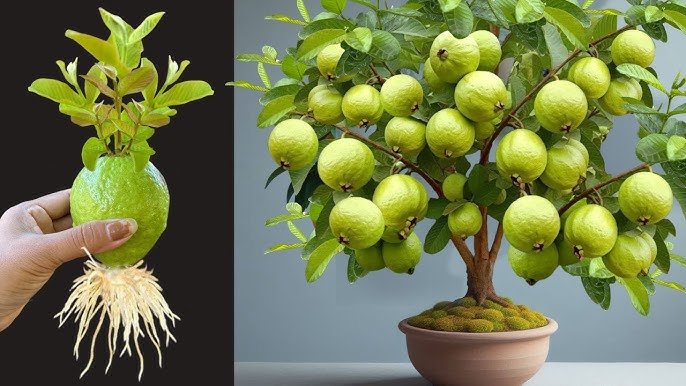
Guava is one of the most container-friendly fruit trees.
Best container size:
- 12–16 inch pot for young plants
- 18–24 inch pot for fruiting trees
Soil requirements:
- Slightly acidic to neutral (pH 6–7)
- Rich and airy soil
Tips:
- Place in sunny location
- Fertilize monthly
- Prune to maintain shape and height
A container-grown guava tree can produce 10–40 fruits every season!
Final Tips for Success
To grow a healthy, fast-growing guava tree at home:
Use healthy softwood cuttings
Maintain humidity during rooting
Give lots of sunlight after establishment
Feed the plant regularly with organic fertilizers
Prune to encourage fruiting branches
Follow these simple steps, and in no time, you’ll enjoy fresh, homegrown guavas bursting with flavor and fragrance.
Conclusion
Growing your own guava tree at home is not only easy but incredibly rewarding. Using the softwood cutting method, you can propagate a strong, fast-growing tree that fruits early and produces high-quality guavas. Whether you’re a beginner gardener or a seasoned plant lover, this method guarantees success.
Start today—and in just a couple of seasons, you’ll be enjoying sweet, delicious guavas straight from your very own garden!